AWS launches Amazon Connect Health to reduce healthcare administrative burden

If you’ve ever tried to get a same-week appointment, you know the hardest part usually isn’t the doctor. It’s everything around the doctor. The phone tree. The “can you confirm your address” loop. The staff member juggling three systems at once. Healthcare doesn’t only lose time in exam rooms. It loses time in the hallway.
That’s the wedge AWS is going after with Amazon Connect Health. It’s not selling “AI healthcare” in the abstract. It’s selling relief for the boring, high-volume work that turns every visit into paperwork: verifying patients, handling scheduling, pulling together history summaries, drafting notes from conversations, and generating billing codes.
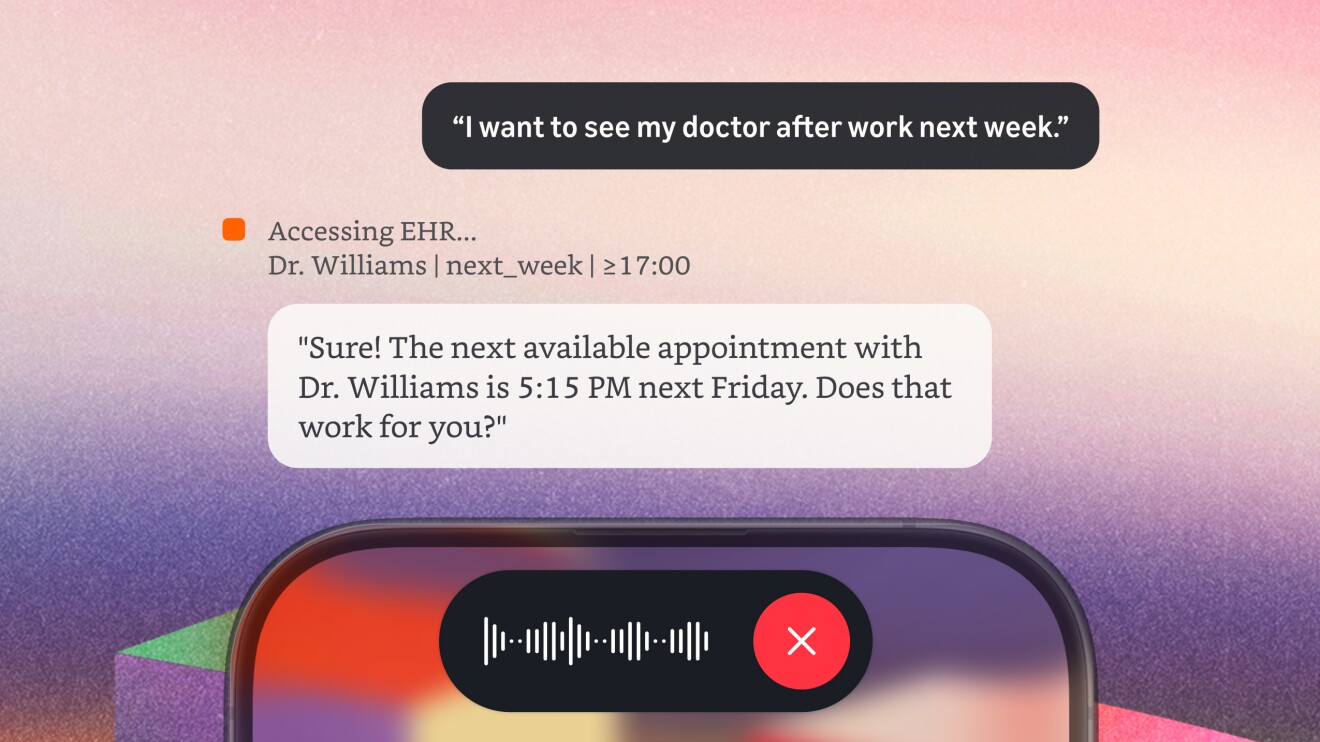
It can plug into the tools providers already live in, including EHR workflows.
AWS says staff can spend a large share of a patient call just hunting for information across disconnected systems. Fix that and you don’t just save a minute. You reduce drop-offs. AWS points to early results at UC San Diego Health that suggest fewer abandoned calls, less time spent on verification, and more staff time spent helping the person on the line. Not every system will see the same lift, but the direction is clear: less friction at the front door means more people get through it.
Some features are available now, others are still in preview, and pricing is being packaged so an operations leader can actually budget for it. Reported pricing includes a monthly fee for documentation and per-interaction pricing for verification. AWS wants this to be judged like an operational tool with measurable impact, not a pilot that stays “promising” forever.
Also read: Google is facing a wrongful-death lawsuit over Gemini and its safety defenses may now be tested in court.
One design choice stands out: evidence mapping. If the system drafts a note or suggests a billing code, it can point you back to what it used, the line in the transcript, the part of the record, the guideline it referenced. That’s what makes it usable. Clinicians don’t want guesses. They want outputs they can verify fast.
The real test is does it get patients in the door faster, and does it cut documentation time without creating a new cleanup job. Ambient notes already have serious competition through Nuance, but AWS is trying to bundle more of the workflow, from intake and verification to documentation and billing.
Y. Anush Reddy is a contributor to this blog.