I Compared AI Subscription Plans. So You Don't Have To

Most people don’t pick an AI subscription because they love comparing tiers. They pick one because something broke at the wrong time. A deadline. A messy doc. A question that needs sources. A code change that shouldn’t ship until it’s actually understood. It’s the moment you’re staring at a long paste, thinking, “I just need this to work for the next two hours.”
At roughly $20 a month, the top assistants are closer than the ads make them feel. The separation shows up when you care about a specific workflow or when your usage gets heavy enough that limits start shaping what you can finish.
I’m keeping this simple: what each plan says you get, and the practical differences you actually notice.
OpenAI ChatGPT
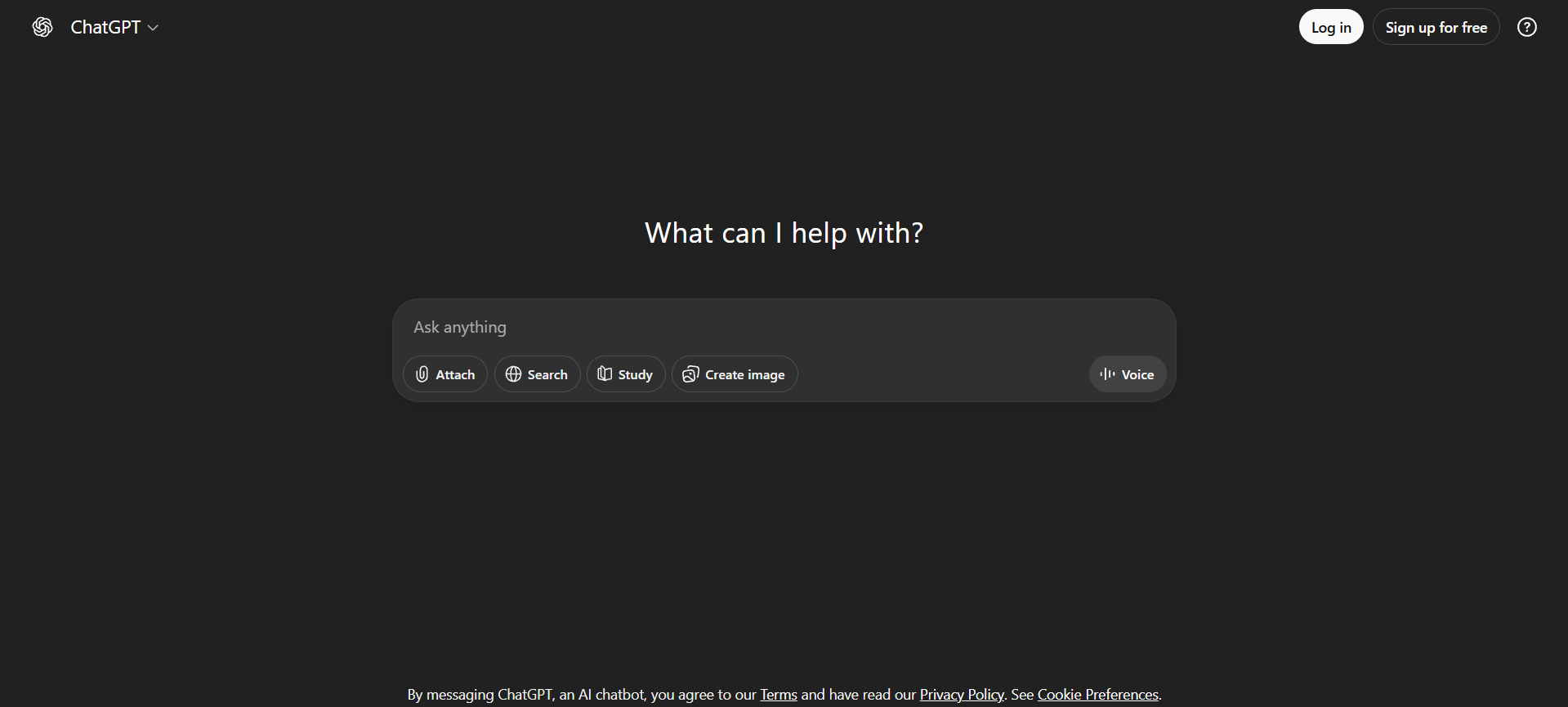
ChatGPT isn’t only a chat tab anymore. It’s a bundle that includes Codex as a separate coding surface and Sora as a generation product, each with its own limits and queue behavior.
| Tier | What the plan page promises | What it feels like in practice |
| Free | Entry access with tighter limits | Perfect for quick answers. The first time you paste something big and ask for a multi-step rewrite, you can get cut off mid-task. |
| Go (~$8) | Cheaper paid entry, more than Free | Works well for daily use. If you do long “keep iterating” loops, you’ll still run into the meter. |
| Plus ($20) | Higher limits + paid tools; access to GPT-5.2 variants via the model picker | This is where it starts to feel like a real daily driver. You can do serious work here, but long sessions still need pacing. |
| Pro ($200) | Highest individual tier with the most room | You buy this when you’re tired of breaking momentum. Longer prompts, more iterations, fewer “come back later” moments. |
We’re in the GPT-5.2 cycle now. The difference most people feel isn’t a sudden leap in brilliance. It’s how often you get forced to slow down or stop.
Codex is best thought of as a separate macOS workspace for delegation. A concrete “this is why I use it” moment looks like handing it a repo task (refactor a module, add tests, prep a PR), letting parallel agents run, then reviewing the diff like you would in a normal code review.
Sora has a similar “you feel it when it’s busy” reality. A common experience is starting a render and watching it sit in queue when demand spikes. Higher tiers generally get treated as higher priority, but peak periods can still drag.
Anthropic Claude
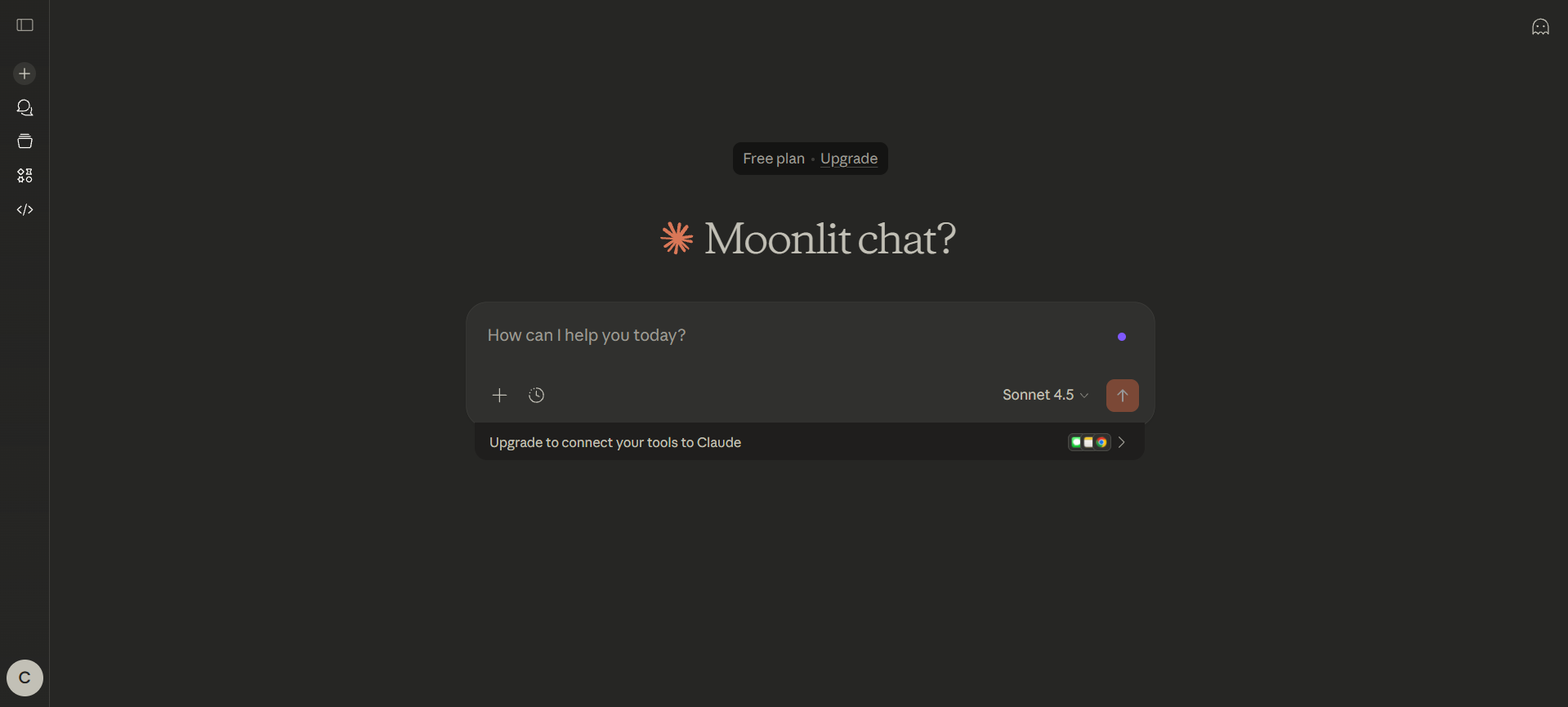
Claude’s ladder is simple. Pro is the paid baseline, and Max mainly buys you room to work without interruptions.
| Tier | What the plan page promises | What it feels like in practice |
| Free | Limited access | You’ll like it fast, then the session ends right when you’re getting somewhere. |
| Pro ($20) | More usage + Projects and paid features | Excellent for drafting, rewriting, and long answers. The frustration shows up when you’re deep in revision mode and the session runs out of runway. |
| Max ($100 / $200) | Much higher usage headroom | You pay to keep the session alive: big documents, repeated passes, “stay with me while I iterate” work without checking the meter every few turns. |
A grounded example here is the “four-pass rewrite.” You paste a long brief, ask for structure, then tighten tone, then add missing points, then compress it. Pro can handle that, but Max is where you stop worrying about whether the fourth pass is going to get interrupted.
Cowork fits into the paid story, but the felt difference still comes back to one thing: how long you can keep going before the tool taps out.
Google Gemini
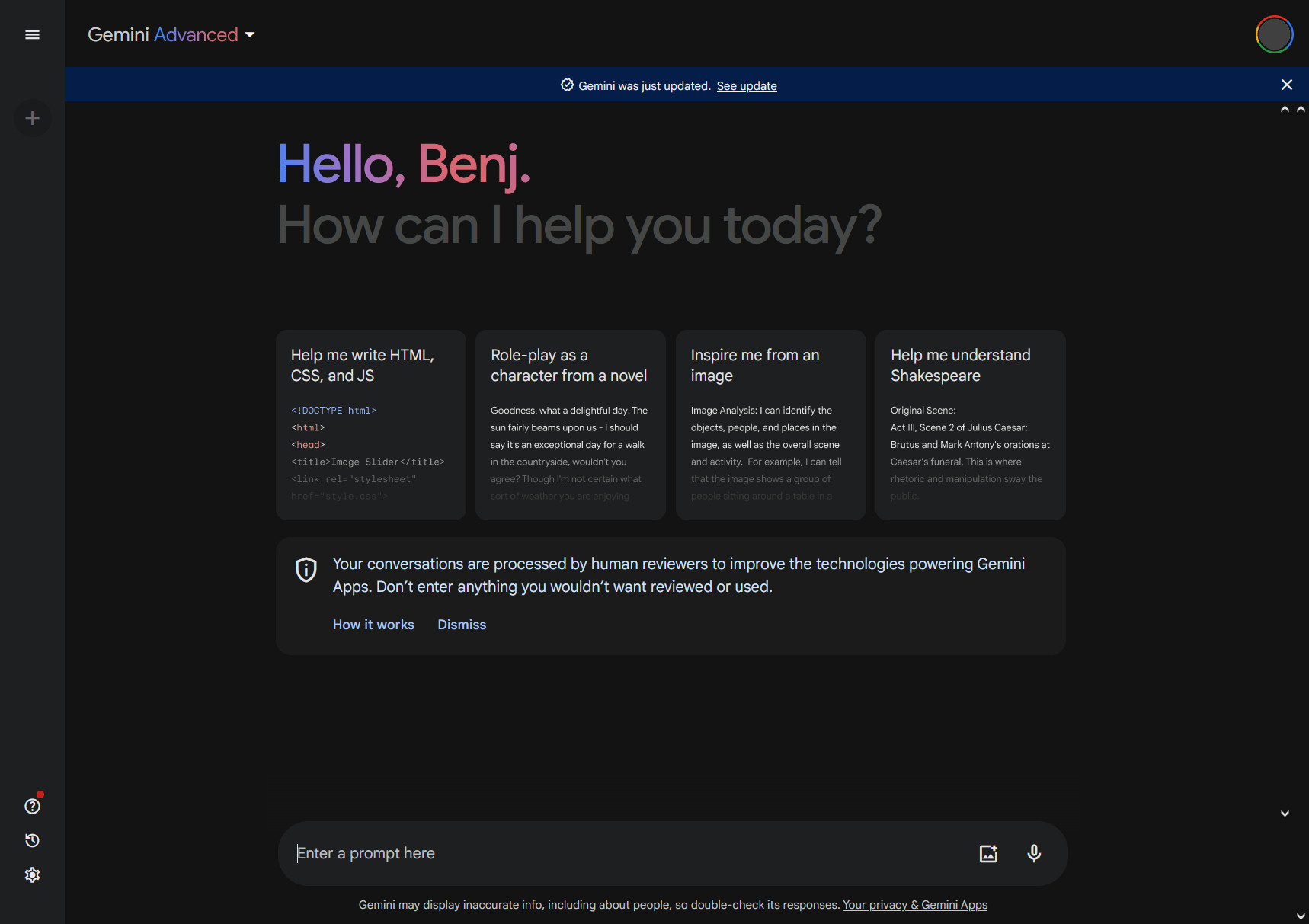
Gemini’s paid tiers can look like a bundle, but the detail that changes expectations is that creative output is metered.
| Tier | What the plan page promises | What it feels like in practice |
| Free | Baseline Gemini | Good for light help and quick checks. Less reliable as your only tool for heavy work. |
| AI Plus ($7.99) | Gemini 3 Pro + Nano Banana Pro + Deep Research, plus monthly credits | A cheap creative bump. If you generate in bursts, it feels great. If you generate all day, you run into the credit wall quickly. |
| AI Pro / Ultra | Higher tiers | More access + bigger bundles |
Right now we are at Gemini 3 and a concrete way people trip on AI Plus is treating it like an unlimited image studio. You do a big batch of variants for one project, then another batch the next day, and suddenly the credits are the main character. Used as a “creative burst” tier, it feels like a steal. Used as a daily factory, it gets frustrating fast.
Perplexity
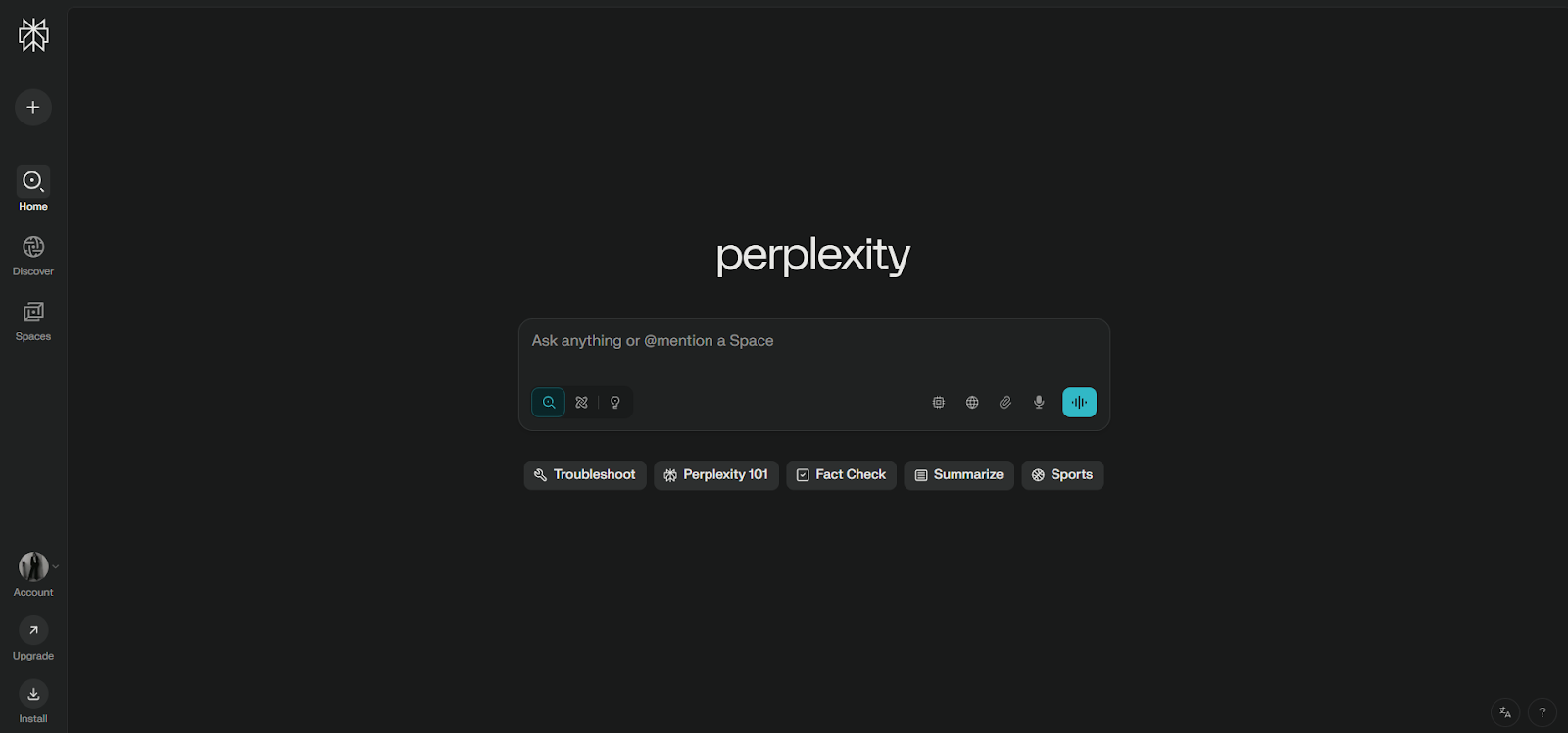
Perplexity is the most research-first tool in this group. The upgrade question is about volume and workflow, not chat personality.
| Tier | What the plan page promises | What it feels like in practice |
| Free | Core experience | Best for quick sourced lookups. You’ll outgrow it if you research daily. |
| Pro ($20) | Higher research limits + some connectors | Great when your work is “give me sources fast and summarize them.” Limits show up when you run deep research loops all day. |
| Max ($200) | Highest consumer tier | Worth it when Perplexity becomes a work tool: higher limits and broader workflow features matter more than the chat itself. |
The most “this is why I pay” example is when your day includes “search my stuff.” You connect Drive, then ask for a specific line or claim from a document you wrote weeks ago, and you want the answer to come back with the exact supporting snippet. That’s where connector coverage stops being a bullet point and starts being the reason the subscription exists.
The simplest way to read this market
At around $20, you’re mostly picking a daily default: the interface you like and the jobs you repeat. Paying for two $20 plans is a waste when they solve the same job in the same way.
Where subscriptions stop overlapping is outside the chat box: Codex as an agent workspace, Claude as a long-session drafting loop, Gemini as a credit-metered creative layer, Perplexity as a research-and-connectors workflow. If a second plan buys you a different environment you’ll use every week, keep it. If it mostly buys you another place to type prompts, it usually isn’t worth it.
Y. Anush Reddy is a contributor to this blog.