SwitchBot Brings an AI Hub to CES for Smarter Homes

SwitchBot is using CES 2026 to make a blunt claim about the smart home: it needs an AI hub that can understand context, not just a pile of connected gadgets. The company’s newest releases hint at a bigger shift automation that can see, decide, and move, not merely notify.
Heading into CES 2026, the theme is already clear from the company's previews: it isn’t launching a single “hero product.” It’s rolling out a stack—a central AI Hub, identity-aware security, glanceable displays, and a household robot meant to operate the physical world.
The Lineup: Robots, Locks, and "Calm" Tech
The attention magnet is Onero H1, a humanoid-style household robot designed to do chore-like tasks with articulated arms and hands on a wheeled base.
In demos, the robot is shown handling everyday interactions—operating appliances, wiping surfaces, and dealing with laundry-style routines. The point isn’t that everyone needs a robot tomorrow; it’s that SwitchBot wants the home to gain actuators, not just sensors.
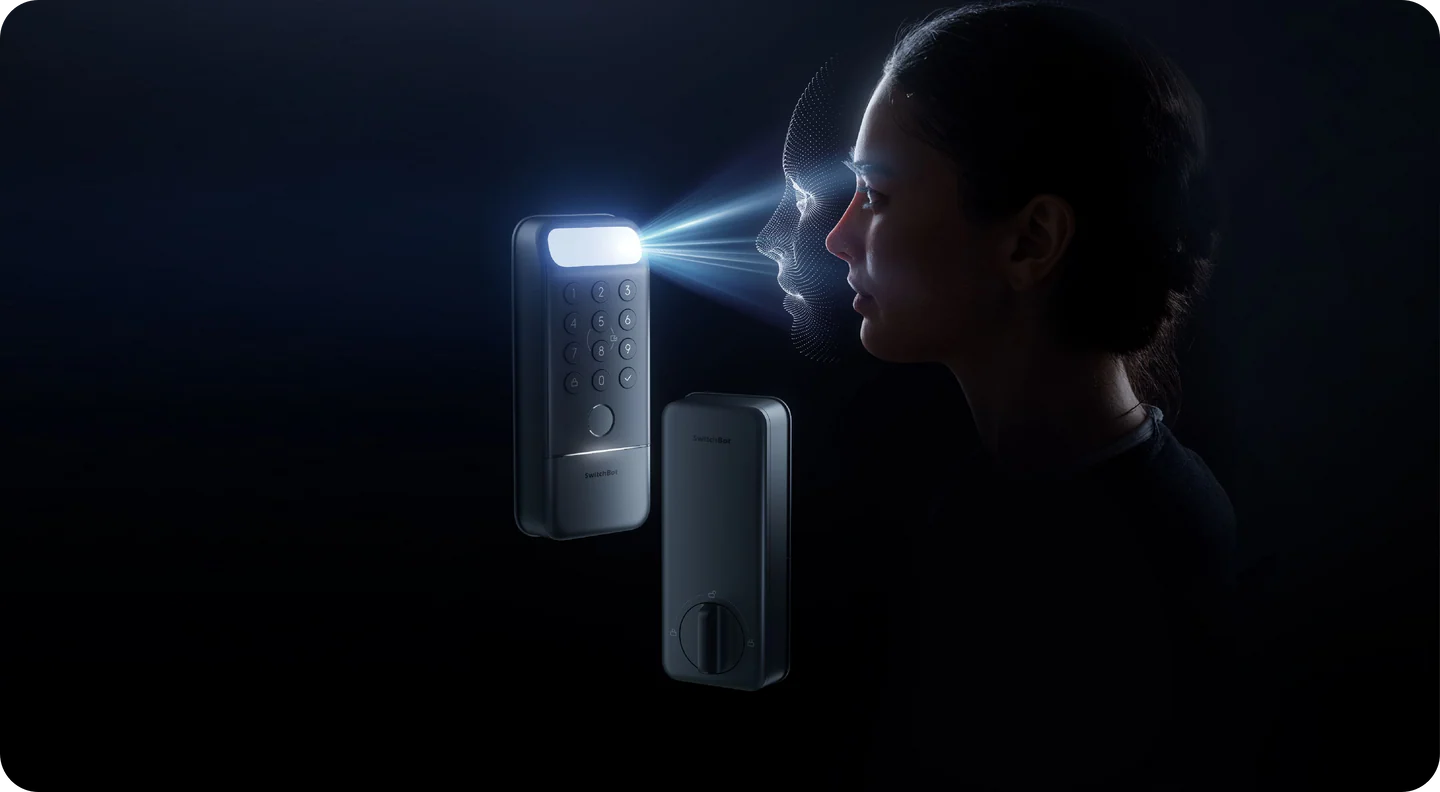
Security is the other major pillar. The Lock Vision line is SwitchBot’s first full deadbolt replacement with 3D face unlock and Matter-over-Wi-Fi support. A higher-end Lock Vision Pro adds fingerprint and palm-vein unlocking. In smart-home terms, this is a push toward identity-based access—entry decisions triggered by who you are, not what you’re holding.
The company also previewed new “ambient interface” devices meant to keep the system present without demanding attention. A 7.5-inch E Ink Weather Station acts like a calm dashboard for forecasts and indoor conditions, with an AI button for “insights.” Obboto, a pixel-art globe light built from thousands of LEDs, leans into mood modes and glanceable info like time and weather—less utility device, more always-on companion.
Then there’s the product that will matter to power users for a different reason: AI MindClip, a tiny clip-on recorder positioned as a “second brain” that turns speech into summaries and tasks. The catch is not subtle: key AI features require a paid cloud subscription, which is a major friction point in a smart-home world that increasingly prefers local-first control.

One breadcrumb ties all of this together: the brand isn’t just adding devices. It’s trying to make them behave like one system.
Why this matters: The "Physical AI" Stack
The pattern that keeps showing up in modern automation is a simple stack: perception, reasoning, and actuation. The easiest way to spot “real” automation is to ask which layer a product is strengthening.
Perception: The sensors and cameras that capture context.
Reasoning: The model layer that interprets what’s happening and chooses an action.
Actuation: The hardware—locks, motors, robots—that can change the physical world.
SwitchBot’s CES 2026 lineup is essentially a home version of that stack. The AI Hub is positioned as the coordinator. The Lock Vision line turns identity into an automation trigger. The E Ink station and Obboto make the system “visible” without being noisy.
And Onero H1 is the clearest bet: if the home is going to feel truly automated, it eventually needs something that can do physical tasks, not just schedule them.
The next chapter will be decided by the uncomfortable details. Subscriptions can turn a cool device into a long-term bill. Privacy matters more when always-on audio or cameras enter the picture. Reliability is everything when you’re unlocking doors with biometrics or asking a robot to interact with fragile, messy environments.
If SwitchBot executes, it won’t just sell new hardware. It will normalize the idea that “smart home” means fewer routines and more agent-like behavior—systems that understand a situation and take the next step on their own.
Y. Anush Reddy is a contributor to this blog.