AI infiltrated the Super Bowl Ads without you noticing

This year’s Super Bowl commercials sent a clearer message than any single spot. AI has infiltrated the production pipeline, even though the buy itself is still brutally expensive, with as much as $10 million for 30 seconds to reach a massive audience.
That money only makes sense if viewers trust what they’re seeing, and right now Americans are skeptical of AI. So the ads leaned hard on warmth, humor, and “this is normal” storytelling by selling comfort to make them feel safe. Behind the scenes, the same tools let teams iterate faster, drop what is felt off, and keep the cuts that actually landed with regular people.
Svedka broke the mold because instead of hiding the tech, it bragged about it, touting its spot as “primarily” AI-generated. A brand was willing to put generative work on the biggest stage and then use that velocity to spin out endless social edits around the same idea.
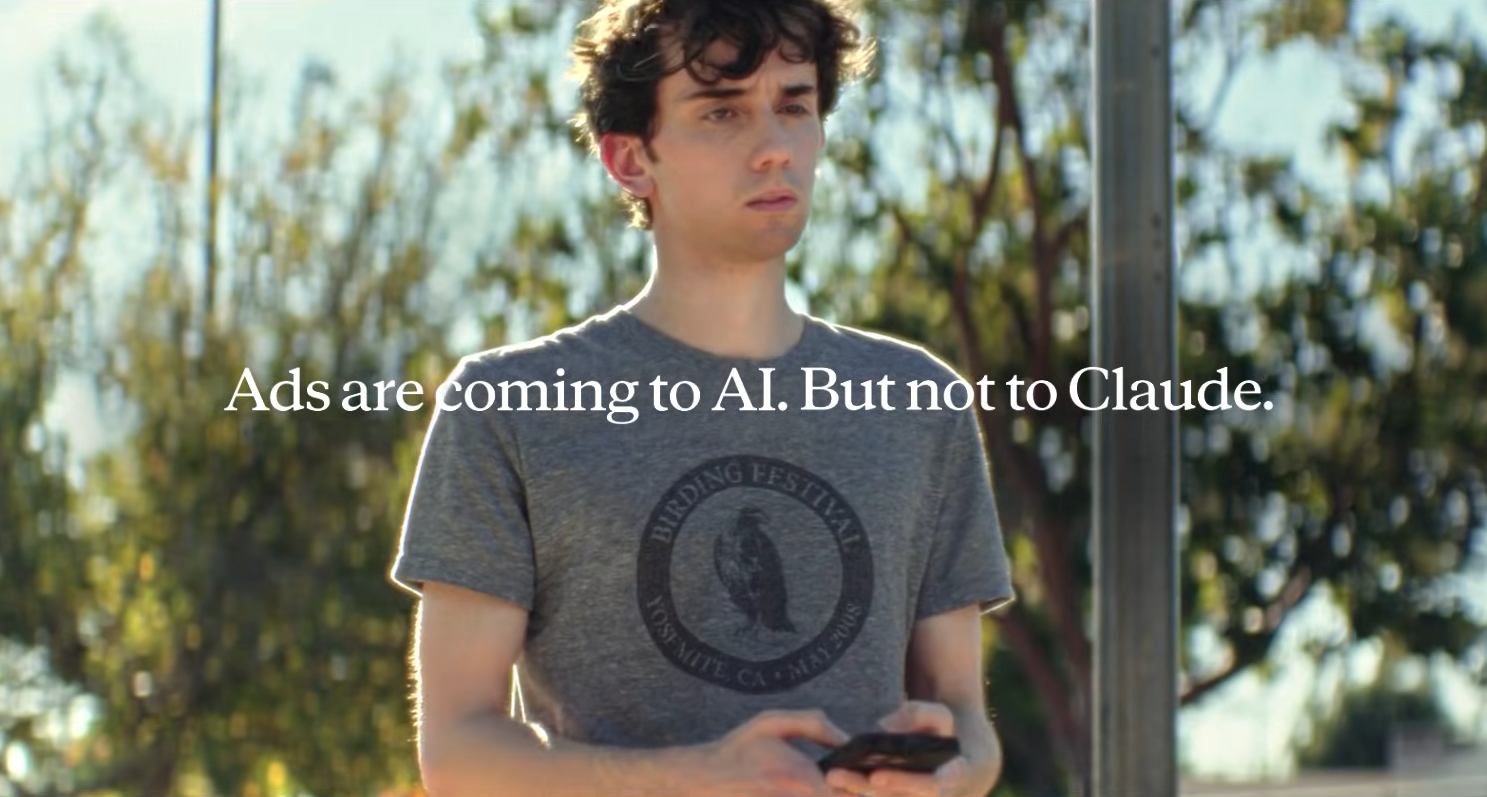
And while Svedka leaned into the tech, Anthropic leaned into the tension. It spent millions not just to sell a product, but to warn that ads are coming to AI, just not to Claude. It was a specific kind of flex, paying top dollar to promise you won’t sell out. The jab landed hard enough that Sam Altman publicly called the portrayal deceptive, turning a 30-second spot into a real-time argument about how AI companies plan to make money.
When you step back from the spectacle, the real change is the tempo. AI is turning Super Bowl advertising into a tighter loop, more drafts before Sunday, faster edits after, and more chances to shape what people remember from the night. The winners weren’t just the brands with the best film, they were the ones who used that speed without losing the human voice people actually trust.
Y. Anush Reddy is a contributor to this blog.