Alexa+ Adds Personality Styles in a Broader Rollout

Amazon’s latest Alexa+ update lets people change how the assistant responds. However, this is not just a fun new setting. It represents Amazon pushing Alexa+ further into the category of products people shape around themselves, rather than just using for commands.
The company added three personality styles: Brief, Chill, and Sweet. Amazon says the feature changes the tone and response style, not the assistant’s capabilities:
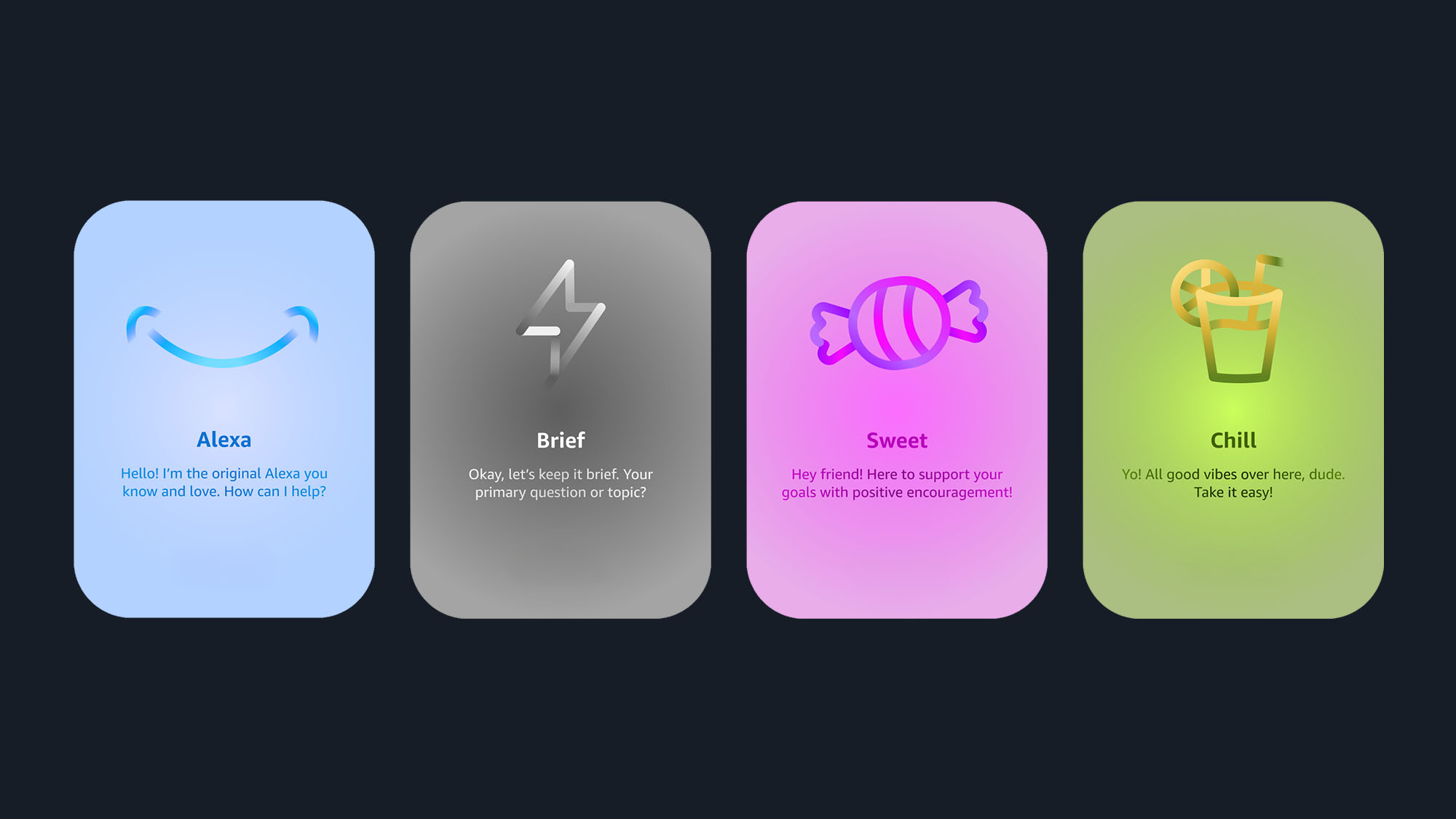
Brief is shorter and more direct.
Chill is more relaxed and conversational.
Sweet is warmer and more encouraging.
With this Amazon wants the same assistant to feel different depending on who is using it and what kind of interaction they want that day.
And from what I have seen, “Sweet” feels friendly. For others, however, it might feel like too much because everyone has a different tolerance for AI personalities. Meanwhile, “Brief” will likely end up being the favorite for most people (like me) who are already tired of chatty assistants turning simple questions into little performances.
This changes the way Alexa+ is being sold. Amazon is now leaning into fit and comfort, as better AI answers or more natural conversations are no longer enough. In the company’s own framing, users told them they wanted different communication styles, and a personal assistant should adapt to that. That is a stronger product idea than just saying Alexa+ is smarter than the old Alexa.
Amazon says these styles are built across five communication dimensions, including expressiveness, emotional openness, formality, directness, and humor. The answer itself can stay the same while the tone shifts from blunt and efficient to playful or supportive.
Users can switch styles by saying, “Alexa, change your personality style,” or by adjusting the settings in the Alexa app. This lands as Alexa+ is rolling out to Echo devices by software update, giving opt-out and revert options.
Amazon also notes that people can pair a style with different voice options and switch back to the original whenever they want. On paper, this is a straightforward customization update. In practice, with Alexa+ now positioned as a Prime benefit and reaching a wider audience, it looks like Amazon is trying to solve a harder problem than capability. It is trying to make an AI assistant feel livable after the first wave of novelty wears off.
Y. Anush Reddy is a contributor to this blog.